9 min to read


Planning a trip to Qatar can seem straightforward until you start checking the visa requirements. One website mentions visa-free entry, another talks about a visa on arrival, and then you come across Hayya e-visas such as A1, A2 and A3. Add different rules based on your nationality, residence status and existing visas, and a simple holiday can suddenly turn into a confusing checklist of requirements.
The biggest mistake is assuming that every traveller needs to apply for a Qatar visa before flying to Doha. That simply isn't the case. Depending on your passport and personal circumstances, you may be eligible for visa-free entry, qualify for entry on arrival, or need to obtain an e-visa through the Hayya platform before your journey.
Knowing which category you fall into matters. Applying for a visa you don't actually need can waste time and money, while assuming you're eligible for visa-free entry when you aren't can create serious problems at the airport. Your accommodation, return or onward ticket, passport validity and other supporting documents may also affect your entry requirements.
So, before you book your flight or start filling out an application, it's worth understanding which Qatar entry route actually applies to you in 2026.
In this guide, we'll explain the difference between visa-free entry and Hayya e-visas, who may qualify for each option, what documents you may need, when accommodation requirements apply, whether there are any fees, and how to check your eligibility based on your nationality.
By the end, you should have a much clearer idea of what you need to do before travelling to Qatar and what you don't.
Important: Qatar's entry requirements can vary depending on your nationality, residency status and other circumstances, and immigration policies can change. Always verify the current requirements through Qatar's official visa resources before travelling.
First: Do You Even Need a Qatar Visa?
Before comparing Hayya e-visas, visa-on-arrival options or any other application route, there is one more important question to answer:
Do you actually need to apply for a visa at all?
Qatar allows travellers from many countries to enter through visa-free arrangements, while other travellers may need to obtain an entry permission or e-visa before travelling. The route available to you depends primarily on your nationality, but your country of residence and certain existing visas or residence permits can also affect your eligibility.
This is why you shouldn't simply follow the visa process someone else used. The fact that a friend, colleague or another traveller applied for a Hayya e-visa doesn't necessarily mean you need one too.
A small terminology change that causes a lot of confusion
If you've searched for Qatar's entry requirements recently, you may have noticed that some sources still use the phrase “visa on arrival,” while Qatar's official tourism information increasingly uses “visa-free entry.”
This can make the system appear more complicated than it actually is.
Visit Qatar explains that “visa-free entry” is the new terminology for what was previously referred to as “visa on arrival.”
In other words, don't focus too much on the label. What matters is whether your passport and circumstances make you eligible to enter Qatar without applying for a visa in advance.
Your passport is the starting point
The first thing you should check is your nationality.
Qatar's official visa information allows travellers to check the entry requirements applicable to their nationality and circumstances. The checker includes nationalities such as Pakistan, India, Bangladesh, the United Kingdom, the United States, Canada, Australia and many others.
Check your eligibility before booking your flight or starting a visa application.
That one step can tell you whether you need to apply through Hayya, can use visa-free entry, or need to meet additional requirements before travelling.

Visa-Free Entry vs Visa on Arrival vs E-Visa
Let's make this much simpler.
Option | What it means | Do you apply before travel? |
|---|---|---|
Visa-free entry | You can enter Qatar without obtaining a tourist visa in advance, if eligible | Usually no |
Visa on arrival | Eligible travellers complete the required entry process when they arrive | No, but conditions may apply |
Hayya E-Visa | You apply online before travelling | Yes |
A1 Tourist Visa | Hayya category for eligible international tourists | Yes |
A2 GCC Resident Visa | Hayya category for eligible GCC residents | Yes |
A3 Visa | Hayya route connected with eligibility through certain visas/residence situations | Yes |
The important thing to understand is that you don't simply choose whichever Qatar visa option sounds most convenient. The entry route available to you depends on your nationality, where you live, and in some cases, whether you already hold a valid visa or residence permit for another country.
For example, a traveller who is a resident of the UAE or another GCC country may have a different visa route from someone travelling directly from Pakistan. Similarly, travellers who hold valid visas or residence permits for countries such as the United States, United Kingdom or Schengen Area may qualify for a different entry option, depending on the applicable requirements.
This is why comparing your situation with a friend or family member isn't always reliable. “My friend got a visa on arrival” doesn't necessarily mean you will qualify for the same entry route.
The safest approach is to start with your own passport and circumstances, then determine which Qatar entry option applies to you.
What Exactly Is Hayya?
If you've searched for Qatar visa information, you've probably come across the name Hayya several times. This is where another common misunderstanding begins: many travellers assume that Hayya itself is a visa.
It isn't.
Hayya is Qatar's digital platform for visitors, through which eligible travellers can apply for certain e-visas and access other visitor-related services.
Think of it this way: Hayya is the platform; A1, A2 and A3 are different visa categories available through that platform.
This distinction is important because you don't simply “apply for a Hayya visa.” You need to determine which Hayya category, if any, applies to your situation.
Depending on your circumstances, the relevant category may include:
A1 Tourist Visa: generally used by eligible travellers visiting Qatar for tourism.
A2 GCC Resident Visa: designed for eligible residents of Gulf Cooperation Council countries.
A3 ETA Visa: available to certain travellers who meet the relevant eligibility conditions, including some people who already hold qualifying visas or residence permits from other countries.
There are also other visitor categories and entry arrangements for specific circumstances.
Visit Qatar identifies Hayya as the platform used to apply for relevant e-visas, but not every traveller needs to use Hayya. Some travellers may be eligible for visa-free entry, while others may qualify under a different entry arrangement.
So before opening a Hayya application, don't start by asking:
“Which Hayya visa should I apply for?”
Start with: “What Qatar entry route am I eligible for?”
Once you know that, the rest of the process becomes much easier to understand.
Hayya A1 vs A2 vs A3: What's the Difference?
This is probably the part that causes the most confusion.
You may see A1, A2 and A3 mentioned together and assume they are three versions of the same tourist visa. They're not. Each category exists for a different type of traveller, so the right option depends on why you're eligible for it, not simply which one you prefer.
The easiest way to understand them is to look at the traveller each category is intended for.
Hayya A1: Tourist Visa
The A1 category is generally associated with travellers visiting Qatar for tourism who need to obtain an e-visa.
If your nationality does not qualify for visa-free entry and you are travelling to Qatar as a tourist, A1 may be one of the relevant routes available to you, subject to the current eligibility and documentation requirements.
Typical requirements can include information about your passport, travel plans and accommodation, although the exact requirements can vary.
In simple terms: A1 is primarily the tourist route.
Hayya A2: GCC Resident Visa
The A2 category is intended for eligible residents of the Gulf Cooperation Council (GCC) countries.
This means your situation is different if you live in Qatar's neighbouring Gulf region as a legal resident. For example, a person holding a valid residence permit in the UAE, Saudi Arabia, Kuwait, Bahrain or Oman may have access to the GCC-resident route, provided they meet the applicable conditions.
This is why your country of residence can matter just as much as your passport when determining which Qatar visa route is available.
In simple terms: A2 is the route to look at if you're an eligible GCC resident travelling to Qatar.
Hayya A3: Visa With ETA
The A3 category is associated with travellers who qualify through an Electronic Travel Authorisation (ETA) arrangement.
This can be particularly relevant to travellers who already hold certain valid visas or residence permits issued by qualifying countries. Depending on the current rules, this may include people with qualifying visas or residence permits connected to countries such as the United States, United Kingdom, Schengen countries, Canada, Australia or New Zealand.
However, having one of these visas does not automatically mean you qualify for A3. The specific conditions, validity requirements and nationality rules still matter.
In simple terms: A3 can provide an alternative route for certain travellers who already have qualifying travel permission elsewhere.
The easiest way to remember it
Hayya category | Generally for |
|---|---|
A1 | Eligible tourists |
A2 | Eligible GCC residents |
A3 | Eligible travellers who qualify through ETA-related conditions |
The important word in all three cases is “eligible.”
Don't choose A1, A2 or A3 based solely on what you have heard from another traveller. Your passport + residency + existing visas + travel purpose determine which route you should investigate.

Which Qatar Visa Should You Choose?
Now that we've covered the main entry routes and Hayya visa categories, let's make things practical.
The right Qatar visa route isn't determined by your passport alone. Your nationality, country of residence, existing visas or residence permits, and travel circumstances can all affect which option is available to you.
Here are a few common situations to help you understand how that works.
Scenario 1: You're travelling from Pakistan for a holiday
If you're travelling directly from Pakistan on a Pakistani passport, your first step should be to check the current Qatar entry requirements for Pakistani citizens.
If you are not eligible for visa-free entry and need to apply for an e-visa, a Hayya tourist category such as A1 may be relevant, depending on your circumstances and the requirements in effect at the time of your application.
But don't assume that every Pakistani traveller will follow exactly the same process. Your individual circumstances can affect the available route and supporting requirements.
The best approach: check your eligibility first, then apply through the route that Qatar's official system indicates for you.
Scenario 2: You're Pakistani but live in Dubai
This is where things get a little different.
You still hold a Pakistani passport, but you also have a valid UAE residence permit. That additional residency status can affect the Qatar entry route available to you.
If you meet the applicable conditions, the Hayya A2 GCC Resident Visa may be relevant.
This is an important distinction because your passport doesn't always tell the complete story. Two people with the same nationality can potentially have different Qatar visa requirements because one is a GCC resident and the other isn't.
So if you're a Pakistani citizen living in Dubai, Abu Dhabi or elsewhere in the UAE, don't check the requirements using nationality alone. Your GCC residency should also be taken into account.
Scenario 3: You're an Indian passport holder living in a GCC country
The same principle applies if you're an Indian citizen living elsewhere in the Gulf.
Your Indian passport is one part of the eligibility picture, but your valid GCC residence status may also affect which Qatar entry route you can use.
For eligible GCC residents, the A2 route may be applicable, subject to the current requirements.
This is why Qatar's visa-checking process considers more than nationality. Your place of residence can change the options available to you.
Scenario 4: You already hold a valid UK, US or Schengen visa
What if you already have a valid visa for another country?
Don't automatically assume that you need to use the standard tourist visa route.
Qatar's current visa information considers travellers who hold qualifying visas or residence permits connected with countries or regions such as the United Kingdom, United States, Schengen Area, Australia, New Zealand and Canada.
Depending on your nationality, the type and validity of your existing visa, and the other applicable conditions, you may qualify for an ETA-related entry route, such as the Hayya A3 category.
However, having a UK, US or Schengen visa does not automatically guarantee eligibility. The exact conditions still need to be checked before you travel.
This is one of those situations where spending a few minutes checking your eligibility can save you from applying for the wrong visa or paying for something you may not need.
What About Pakistani Passport Holders?
Pakistani travellers deserve a closer look because Qatar's entry requirements can involve additional considerations depending on the route you're using.
If you're travelling on a Pakistani passport, avoid relying on a simple statement such as:
“Pakistanis need a Qatar visa.”
That's too broad to be useful.
Your eligibility depends on your individual circumstances, including whether you're travelling directly from Pakistan, whether you hold a GCC residence permit, whether you have qualifying visas or residence permits from other countries, and which entry route you're using.
But there's another detail Pakistani travellers should pay particular attention to: accommodation requirements.
The Discover Qatar Hotel Requirement:
Discover Qatar states that, under requirements from Qatar's Ministry of Interior, travellers holding passports from Pakistan, India, Thailand and Iran may be required to make a Discover Qatar hotel booking before travelling when using the relevant visa-on-arrival/entry route.
This is an important distinction because simply knowing that an entry route is available isn't always enough. There may be additional conditions attached to that route.
Imagine checking the visa requirements, seeing that you may be eligible to enter Qatar, booking your flight and only later discovering that your nationality has a specific hotel-booking requirement.
That's the kind of issue that is much easier to solve before you leave home than at the airport.
So, if you're travelling on a Pakistani passport, don't stop your research at: “Can I enter Qatar?”
Also ask:
“What additional requirements apply to my nationality and the specific entry route I'm using?”
Check your accommodation requirements, documentation, passport validity, return or onward travel requirements and any other conditions before finalising your travel plans.
The key takeaway
There isn't one universal “Qatar visa for Pakistanis.”
There are different entry routes, and the route available to you depends on your circumstances.
A Pakistani citizen travelling directly from Pakistan, a Pakistani citizen living in Dubai, and a Pakistani citizen holding a qualifying foreign visa may not necessarily have the same requirements.
Check first. Apply second. Book your trip with confidence.
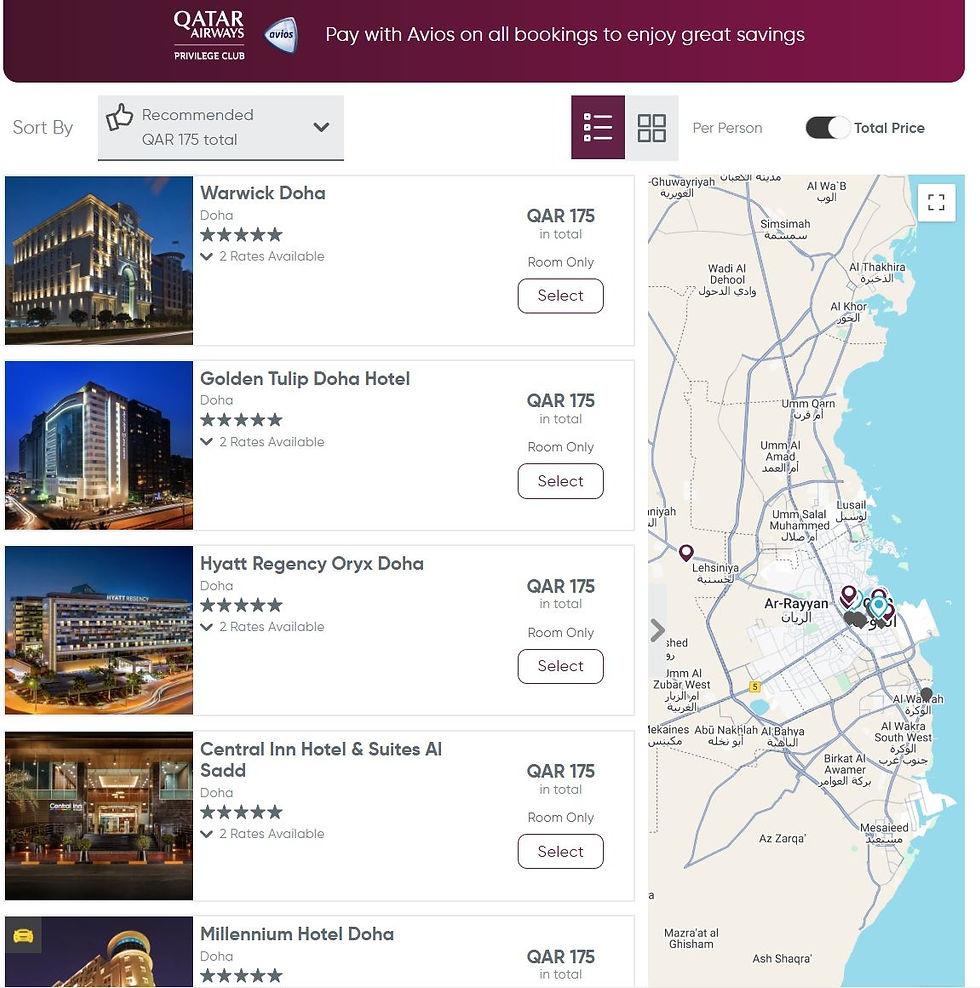
The Hotel Booking Rule That Catches Travellers Off Guard
Accommodation is one of the details travellers often overlook when checking Qatar's entry requirements and it's important because the accommodation rules are not necessarily the same for everyone.
For certain nationalities using the applicable visa-on-arrival entry route, Discover Qatar states that a Discover Qatar hotel booking must be made before travelling. Its current guidance specifically identifies travellers holding passports from countries including India, Pakistan, Thailand and Iran.
Accommodation can also be relevant when applying for a Hayya A1 Tourist Visa, where applicants may need to provide accommodation information as part of the application process.
So don't simply book any hotel and assume you've completed this requirement.
Before finalising your accommodation, check three things:
Which Qatar entry or visa route am I using?
Does my nationality have a specific Discover Qatar hotel-booking requirement?
Does my chosen accommodation meet the requirements for my particular visa or entry route?
This is much safer than relying on a generic online checklist titled “Qatar visa documents.” The documents and conditions can vary depending on who you are, where you're travelling from and which entry route you're using.
What Documents Should You Have Ready?
Once you've established which entry route applies to you, the next step is to prepare the documents you may need.
The exact requirements vary depending on your nationality and visa category, but having the basic information ready can make the process much smoother.
Passport
Your passport is the most important document in the process.
Visit Qatar's current guidance states that, for applicable entry routes, passports should generally be valid for at least three months from the date of arrival.
Check your passport's expiry date before booking your trip or starting an application. Discovering that your passport doesn't meet the required validity period halfway through the process is an entirely avoidable headache.
Passport Photograph
Where required for your application, keep a recent, clear passport-style photograph ready and make sure it meets the relevant application specifications.
Accommodation Information
Depending on your visa or entry route, you may need to provide details of where you will stay in Qatar.
For some travellers, this can involve a specific Discover Qatar hotel booking, so don't assume that an ordinary hotel reservation will satisfy every route.
Return or Onward Ticket
Some entry arrangements require evidence of a confirmed return or onward journey.
The exact requirement depends on your nationality and the entry route you're using, so check this before travelling rather than assuming it applies — or doesn't apply — to everyone.
GCC Residence Permit
If you're applying based on your status as a GCC resident, you'll need to provide the relevant residence information and meet the conditions associated with that route.
Existing Visa or Residence Permit
If you're relying on a qualifying visa or residence permit from another country to access a particular Qatar entry option, keep the relevant details available.
This may include qualifying documentation connected with countries or regions such as the UK, US, Schengen Area, Australia, Canada or New Zealand, depending on the route and current eligibility rules.
The most important step comes first
Don't start collecting documents blindly.
First determine which Qatar entry route applies to you. Then prepare the documents required for that route.
That simple order can save you from submitting unnecessary documents or, worse, discovering at the last minute that you've prepared the wrong paperwork.
How Much Does a Qatar Visa Cost?
Visa fees are another area where travellers can easily find conflicting information online.
That's because there isn't one single Qatar visa fee that applies to everyone.
Current Visit Qatar guidance states that visas applied for through Hayya can cost QAR 100, while eligible travellers may enter Qatar through visa-free arrangements without paying a visa fee. Applicable paid visa-on-arrival routes can also carry a QAR 100 fee.
So don't use the simple formula:
“Qatar visa = QAR 100.”
That's not accurate for every traveller.
The amount you pay or whether you need to pay a visa fee at all depends on the entry route and visa category available to you.
Before paying, make sure you know which route you're applying under and check the current official fee for that route Should You Apply Online or Get Your Visa on Arrival?
If you're eligible for visa-free entry or an applicable visa-on-arrival route, you might reasonably ask:
“Why should I apply online if I can simply deal with it when I arrive?”
It's a fair question.
For some travellers, handling the process before departure can make the journey more predictable. If you're eligible to apply through Hayya, having the relevant approval arranged before your flight means you don't have to leave the visa process until you reach Doha.
Visit Qatar presents Hayya as an online application route for eligible travellers who would otherwise use applicable visa-on-arrival arrangements.
Visa on arrival may make sense if:
You're clearly eligible for the applicable entry route
You meet all of its conditions
You have the required documents ready
Your nationality doesn't have an additional accommodation requirement that creates complications
You're comfortable completing the relevant process on arrival
Applying through Hayya beforehand may make sense if:
You want your visa arranged before travelling
You want greater certainty before boarding your flight
You're required to obtain an e-visa
You want to confirm your eligibility before leaving home
Your particular circumstances make the online route more appropriate
But there's an important point here:
Don't choose the route simply because it sounds easier.
Eligibility comes first.
Once you've established which routes you qualify for, you can decide which applicable option is most convenient for your trip.
What If You Already Have a US, UK or Schengen Visa?
This is one of the easiest details to overlook when researching Qatar entry requirements.
If you already hold a valid visa or residence permit for certain countries or regions, you may have an additional route available depending on your nationality and circumstances.
Qatar's current visa information considers qualifying visas and permits connected with destinations including:
Schengen Area
United Kingdom
United States
Australia
New Zealand
Canada
For eligible travellers, this can affect which Qatar entry route is available and may make an ETA-related option relevant.
So before applying for a standard tourist visa, ask yourself:
“Do I already have a visa or residence permit that could affect my Qatar eligibility?”
If the answer is yes, check the official Qatar visa requirements before paying for another application.
Having a qualifying foreign visa doesn't automatically guarantee entry or eligibility, so the specific conditions still need to be checked.
What If You're Only Transiting Through Doha?

Not everyone travelling through Qatar is actually visiting Qatar.
You might simply be flying to another destination and have a long layover at Hamad International Airport in Doha.
In that situation, applying for a standard tourist visa may not be necessary.
Visit Qatar states that passengers travelling with Qatar Airways who have a transit period of at least six hours and aren't eligible for visa-free entry may be able to apply for a transit visa through the Discover Qatar Transit Desk, subject to the applicable terms and conditions.
For travellers who want to leave the airport and spend some time in Doha during their journey, Qatar also offers a transit visa option that can allow a stay of up to 96 hours (four days) for eligible passengers, subject to the relevant requirements.
So if you're only passing through Doha, don't automatically start a tourist visa application.
First check the transit options available for your itinerary.
You may not need a tourist visa at all you may simply have been looking at the wrong category.
Common Qatar Visa Mistakes
1. Assuming everyone needs a visa
They don't. Many nationalities can enter through visa-free arrangements, while others use visa-on-arrival or e-visa routes. Always check first.
2. Confusing GCC citizens with GCC residents
A GCC citizen and a person who simply lives in a GCC country are not the same thing.
For example:
Pakistani citizen + UAE resident is different from: UAE citizen Your route may therefore be different.
3. Choosing A1 because “that's what everyone uses”
A1 is the tourist visa category, but it's not automatically the correct route for every traveller. GCC residents may have A2. Other circumstances can make A3 relevant.
Check your eligibility before choosing the category.
4. Ignoring the Discover Qatar hotel requirement
This is especially important for certain nationalities. Discover Qatar currently lists Pakistan, India, Thailand and Iran among nationalities subject to the mandated hotel-booking requirement for the relevant visa-on-arrival route.
5. Using an old blog as your visa advisor
Visa rules change. Even if an article looks professional, check its publication/update date.
And compare important requirements with the official Qatar sources.
6. Assuming visa approval means you're done
Keep your passport, accommodation information, flight details and other relevant travel documents accessible. And check any conditions that apply to your entry route before flying.
What Should You Do Before Booking Your Flight?
Here's my personal checklist.
Before paying for your flight:
✓ Check your passport nationality
✓ Check your passport validity
✓ Check whether you qualify for visa-free entry
✓ Check whether you qualify for visa on arrival
✓ Check whether Hayya A1/A2/A3 applies
✓ Check whether you have a GCC residence permit
✓ Check whether you hold a qualifying foreign visa
✓ Check the accommodation requirements
✓ Check whether Discover Qatar booking is mandatory for your route
✓ Check the current visa fee
✓ Check the latest official information
This takes much less time than trying to fix a problem at the airport.
So... Which Qatar Visa Do You Actually Need?
If you've made it this far, here's the simplest answer:
There isn't one Qatar visa that everyone needs.
Your route depends on your circumstances.
You might be able to enter visa-free.
You might qualify for visa on arrival.
You might need a Hayya A1 Tourist Visa.
You might qualify for A2 because you're a GCC resident.
You might have an A3/ETA-related option because of another visa or residence status.
Or if you're only passing through Doha, a transit option might be more appropriate.
The smart move isn't to memorize all these categories.
It's simply to check which one applies to you before you travel.
You can use the official Visit Qatar visa checker to start.
And if the rules still feel confusing especially if you're applying from Pakistan or another country with additional requirements that's exactly where professional assistance can save you time.
Need Help With Your Qatar Visa?
At Aventra, we don't believe in making visa applications sound more complicated than they are. And we definitely don't believe in promising “100% guaranteed approval.”
The final decision belongs to the relevant authorities.
What we can do is help you understand the route that applies to your situation, prepare the required documentation and avoid common mistakes before you submit your application.
Planning Qatar from Pakistan, the UAE or elsewhere?
Get Qatar Visa Assistance from Aventra →
Frequently Asked Questions:
Can I apply for a Qatar visa before travelling instead of waiting until I arrive?
Do I need a return ticket to enter Qatar on a visa on arrival?
What is Hayya?
Is Qatar visa on arrival still available in 2026?
Do I need a Qatar visa if I am eligible for visa on arrival?
Can I apply for a Qatar visa online instead of getting it on arrival?
Is Hayya the same as a Qatar visa?
What is the difference between Hayya A1, A2 and A3?
Can Pakistani citizens get a Qatar visa on arrival in 2026?
Do Pakistani citizens need a Discover Qatar hotel booking for Qatar visa on arrival?
Can I use a normal hotel booking for Qatar visa on arrival?
Can I travel to Qatar if I have a valid UK, US or Schengen visa?
Do I need a Qatar visa if I'm only transiting through Doha?


